The Place Brand as the No.1 Influencer
In a world drowning in content, every city, region and nation is competing for attention. Tourism boards, economic development agencies, local businesses, residents — everyone has a story to tell. But who shapes the story? Who decides what a place truly stands for?
The answer should be the Place Brand. And yet, in many places, that role goes unclaimed.
The most powerful influencer in the room
We talk a lot about influencers in modern marketing — individuals with reach, authenticity, and the power to shift perception. But the most powerful influencer for any place isn't a travel blogger or a celebrity ambassador.
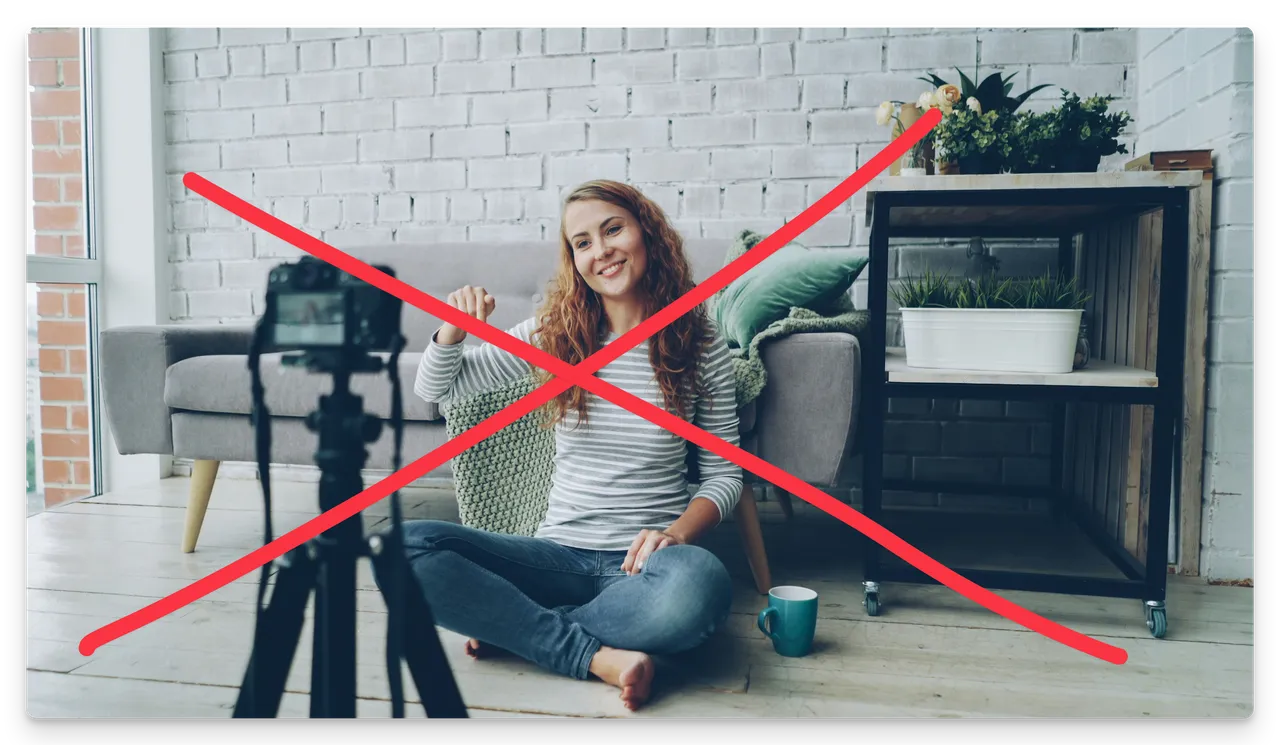
It's the Place Brand organisation itself.
Why? Because the Place Brand sits at the intersection of every story the place tells. It works with government, businesses, tourism operators, creatives and communities. It holds the narrative, the visuals, and the strategic intent. No individual influencer has that scope. No single business has that mandate.
The Place Brand is uniquely positioned to be what we call the Taste Master — the entity that sets the standard, shapes the aesthetic, and curates the story that everyone else tells within.
Curator, not controller
The mistake many Place Brands make is trying to control the story rather than curate it. Control breeds resentment. Curation breeds alignment.
Think of a great film director. They don't perform every role — but their taste shapes every scene. The best Place Brands work the same way. They define the narrative frame, produce the hero content, and then equip everyone else — businesses, citizens, partners — to tell their own authentic stories within that frame.
Brand Tasmania does this beautifully. Rather than simply publishing brand guidelines and hoping for the best, they run hands-on workshops to upskill local businesses in how to tell the Tasmanian story.
Then, through a Brandkit-powered Partner Toolkit, those businesses can access curated, on-brand photography, copy, and assets — ready to use. The result? Asset downloads increased roughly seven times.
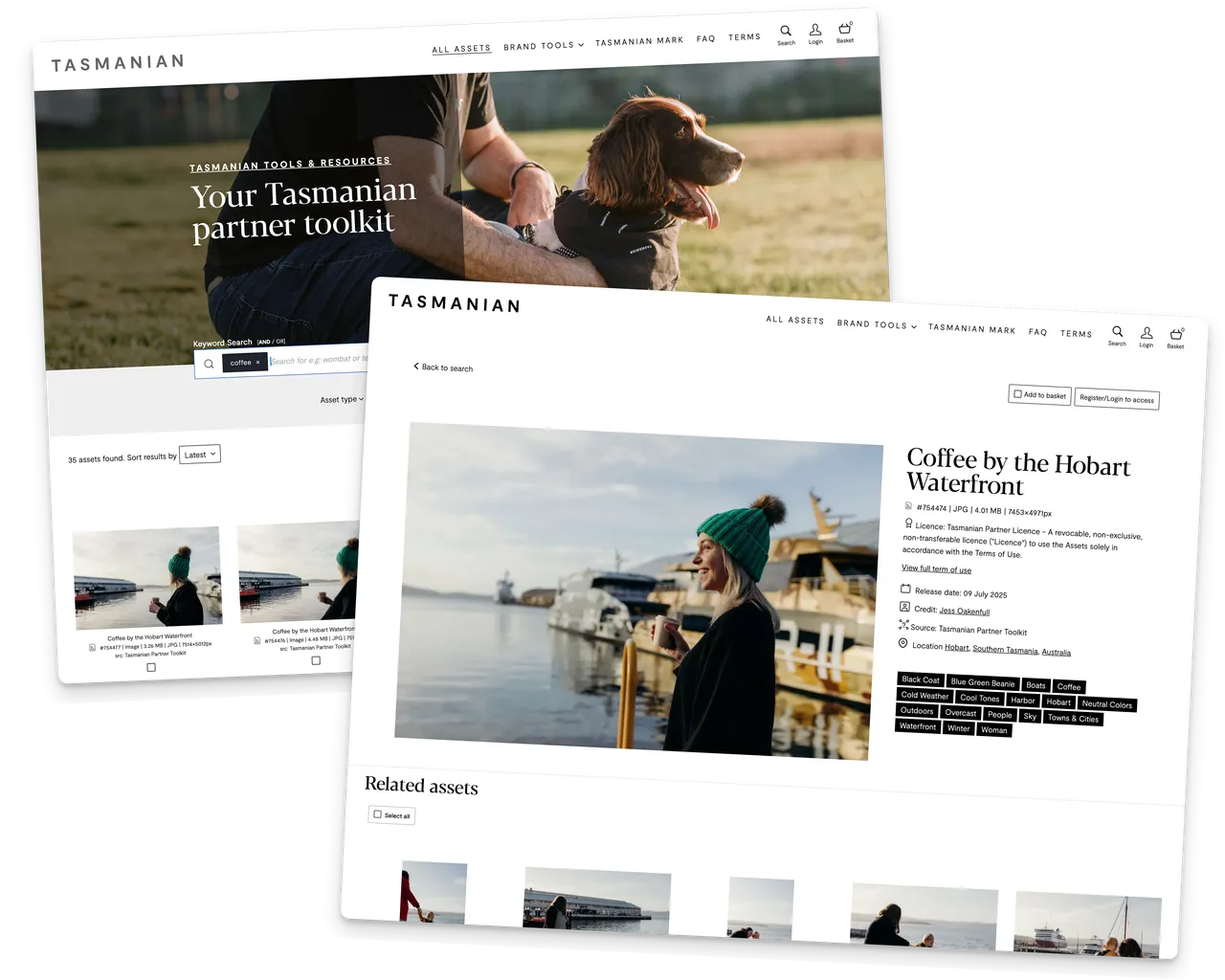
"I don't know where to start" was once a common refrain from Tasmanian businesses. The toolkit changed that. The brand became the enabler — and the influencer — without becoming a gatekeeper.
Why it matters: AI
Here's the shift that makes this role even more critical: AI.
When someone asks ChatGPT, Claude, or Gemini "What makes Tasmania worth visiting?" or "Why should I invest in this region?" — those models don't browse a website in real time. They draw on structured, well-described, authoritative content that has been indexed and understood.
If a Place Brand has curated rich stories, tagged assets, and clear metadata in a single authoritative hub, that's what AI surfaces. If the content is scattered, inconsistent, or poorly described, the AI tells a fragmented story — or someone else's story.
Curated content isn't just good brand practice. It's how you stay in control of your narrative in an AI-mediated world.
One link. Your whole story.
Platforms like Brandkit make this practical. A single Brand Toolkit becomes the home for every asset, story, guideline and resource — searchable, shareable, and readable by both humans and AI.
Stakeholders find what they need. Partners tell better stories. And the Place Brand takes its rightful place as the No.1 influencer of how the world sees its home.
The places that win in the next decade won't be the ones that shout loudest. They'll be the ones whose story is the clearest, the most curated — and the most ready to be found.
Brandkit is the Brand Toolkit Platform for Place Brands, DMOs and economic development agencies. Learn more at brandkit.com
The Place Brand as the No.1 Influencer
Place Brand is the most powerful influencer of all. Learn how curation, not control, shapes a place's story — and why it matters in the age of AI search.