What is the best way to share brand knowledge with partners and journalists?
The best way to share brand knowledge with partners and journalists is through a brand knowledge library.
It's one online place for your approved story, facts, key messages and guidelines, written as clear, searchable pages. Partners and media get accurate information on demand. You keep one version of the truth.
Brand knowledge, brand book, press kit: what's the difference?
Brand knowledge is everything people need to talk about you correctly.
Organisations package it under many names:
- Brand Guidelines, Brand Book or Style Guide
- Brand Story or Destination Story
- Press Kit, Media Kit or Fact Sheets
- Key Messages or Boilerplate
- Partner Toolkit or Trade Toolkit
- Brand Hub or Brand Centre
Whatever you call it, the goal is the same: make sure everyone who represents you tells the same story.
Why PDFs and shared drives fall short
Most brand knowledge still lives in PDFs, slide decks and shared folders. That causes problems:
- Out of date the day it's sent. Facts change. PDFs don't.
- Hard to find. The one fact a journalist needs is on page 47.
- Many versions. Old brand books keep circulating.
- Invisible to search and AI. Content locked in PDFs is hard for Google and AI tools to read, so they may describe you inaccurately.
- No visibility. You can't see what people read or use.
What a good brand knowledge setup includes
| What you need | Why it matters |
|---|---|
| Short, searchable pages, not long PDFs | People find the answer they need fast |
| One source of truth | Update once, and everyone sees the current version |
| Story, facts and guidelines in one place | Partners and media get the full picture |
| Linked to your images and video | Words and visuals stay consistent |
| Access control | Public facts for everyone, sensitive content by user role |
| Structured, AI-readable content | Search engines and AI assistants describe you accurately |
How Brandkit does it
Brandkit's Knowledge Library sits alongside your Asset Library in one brand portal. You publish your story, key messages, fact sheets, FAQs and Brand Guidelines as Knowledge Assets or as web pages, on your own domain. Each Knowledge Asset or page can link directly to the approved images and video that go with it.
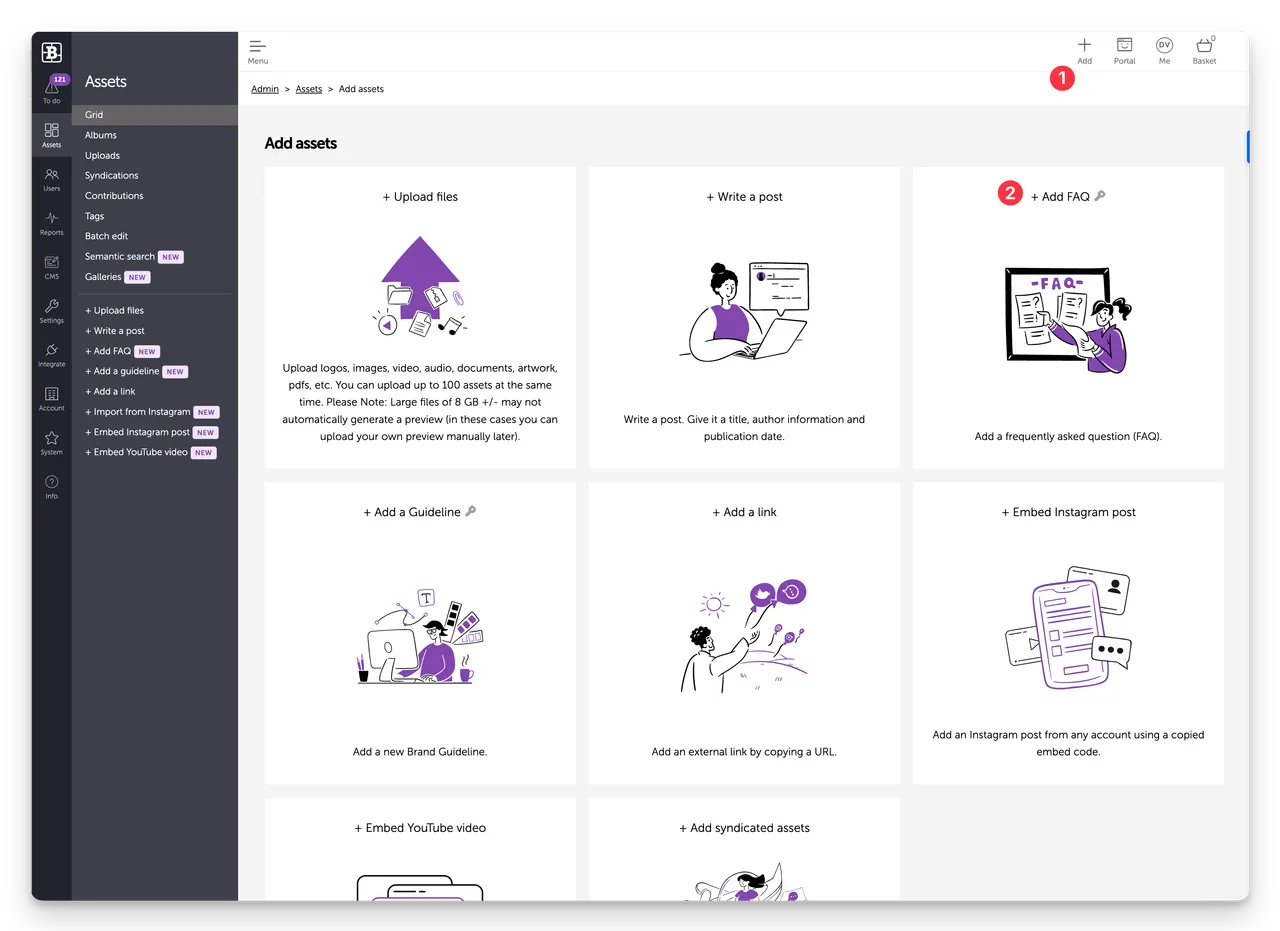
Anyone can discover your public knowledge, while private knowledge stays private. To access more, everyone registers. Each user gets a role that sets what they can see, from public facts to internal guidelines for staff and trusted partners.
Because Knowledge Library content is structured and machine-readable, it's easy for search engines and AI tools to use. You can also power chatbots from it, or connect AI assistants directly through Brandkit's MCP server. That means a journalist asking an AI tool about your destination is more likely to get your approved answer.
Tourism boards, destination marketing organisations, economic development agencies, place brands, franchise brands and other multi-stakeholder organisations use Brandkit to keep everyone telling the same story.
Quick answer
Use a brand knowledge library, not PDFs or shared drives. It keeps your story accurate, easy to find, and readable by people, search engines and AI.
See how it works. Book a Brandkit demo. Get a 30 day free trial.
Sharing photos too? See What is the best way to share photos with partners and journalists?
What is the best way to share brand knowledge with partners and journalists?
Share your brand story, facts and guidelines through a searchable knowledge library. Accurate for partners, media, search engines and AI.